
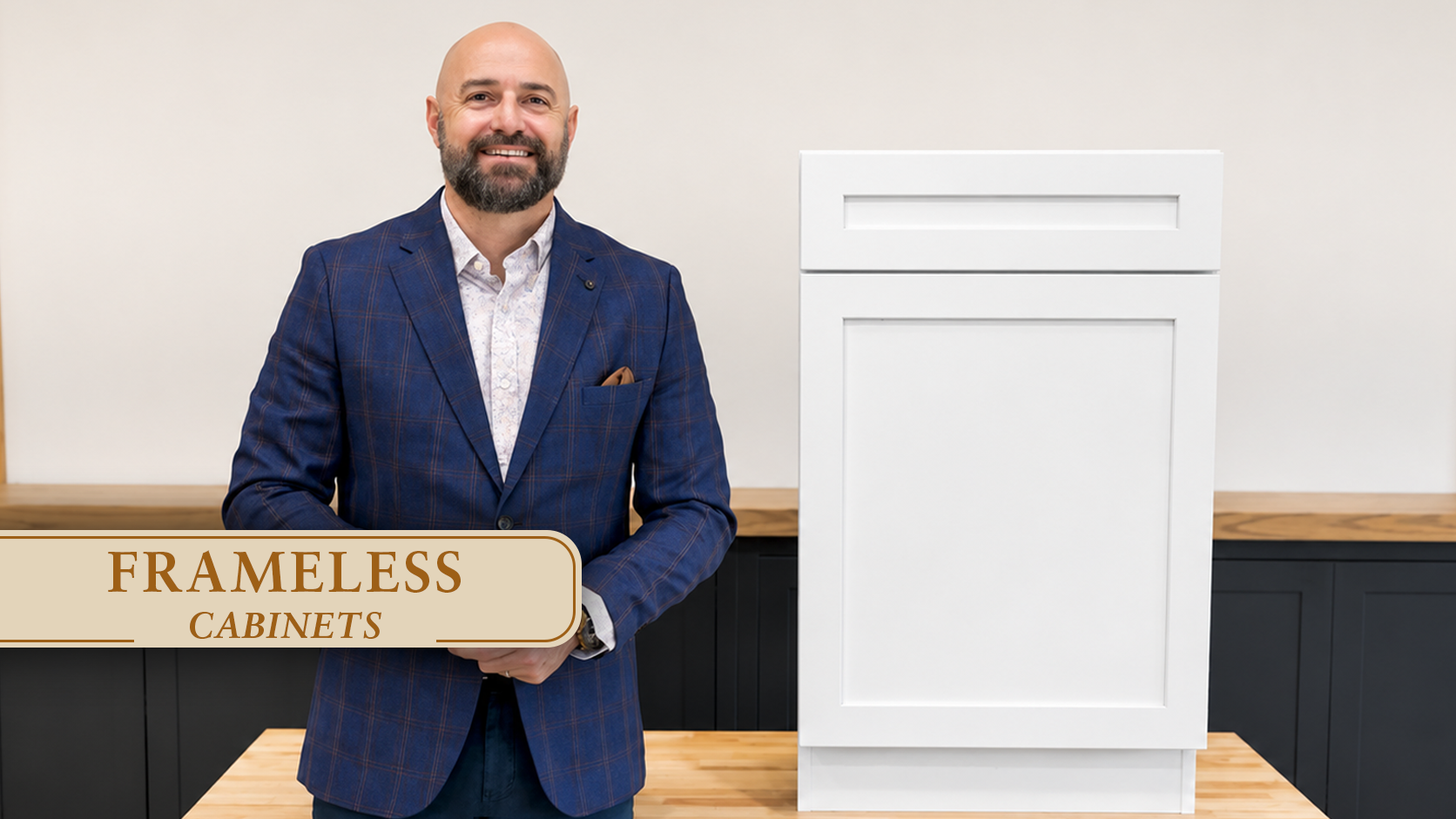
Get the clean look and full-access construction of frameless cabinetry without limiting your design options. Choose from all of the Cabinet Joint woods, finishes and door styles you love, backed by expert guidance from your dedicated Cabinet Coach.
Available ready-to-assemble nationwide, with professional assembly available in select areas.
What Makes a Cabinet Frameless?
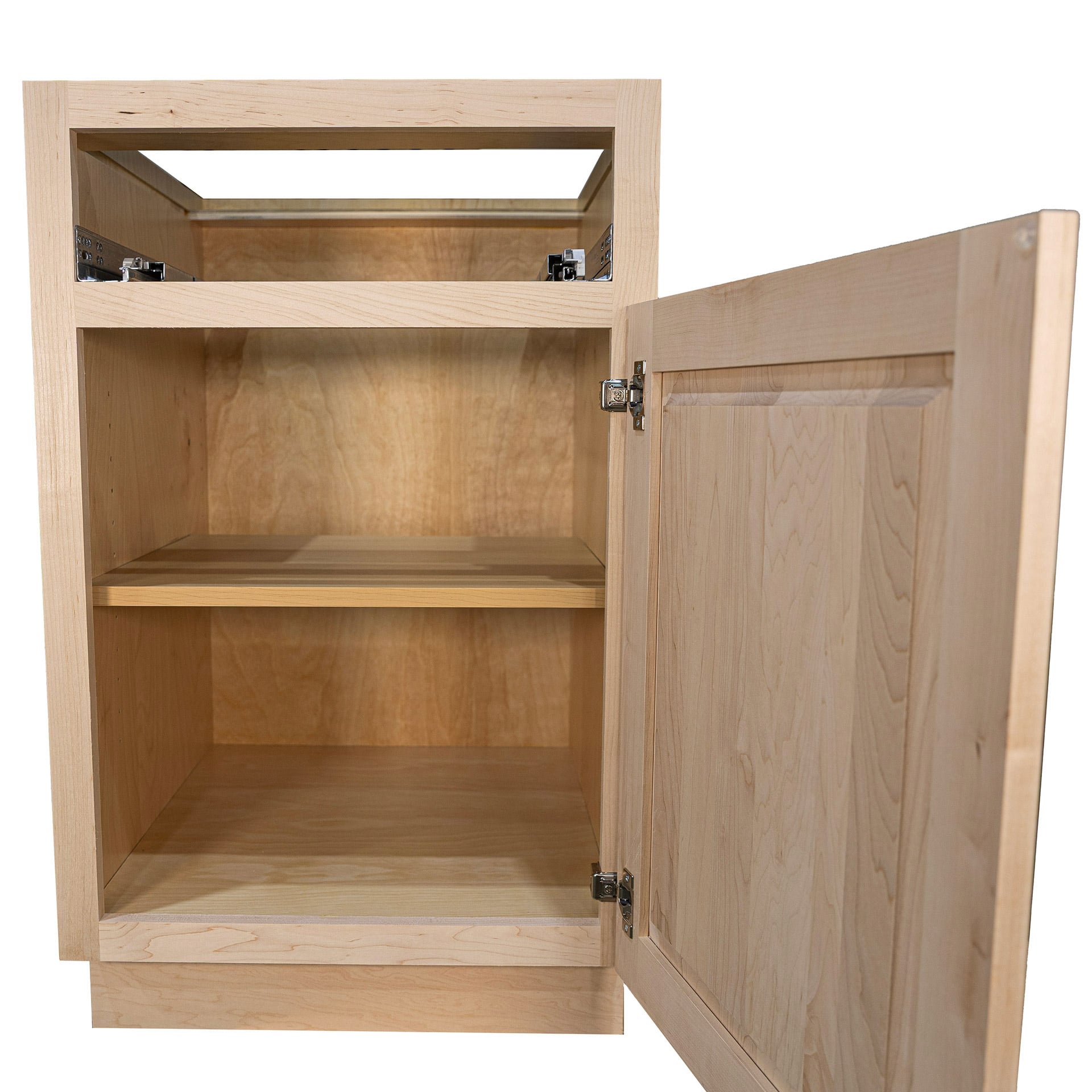
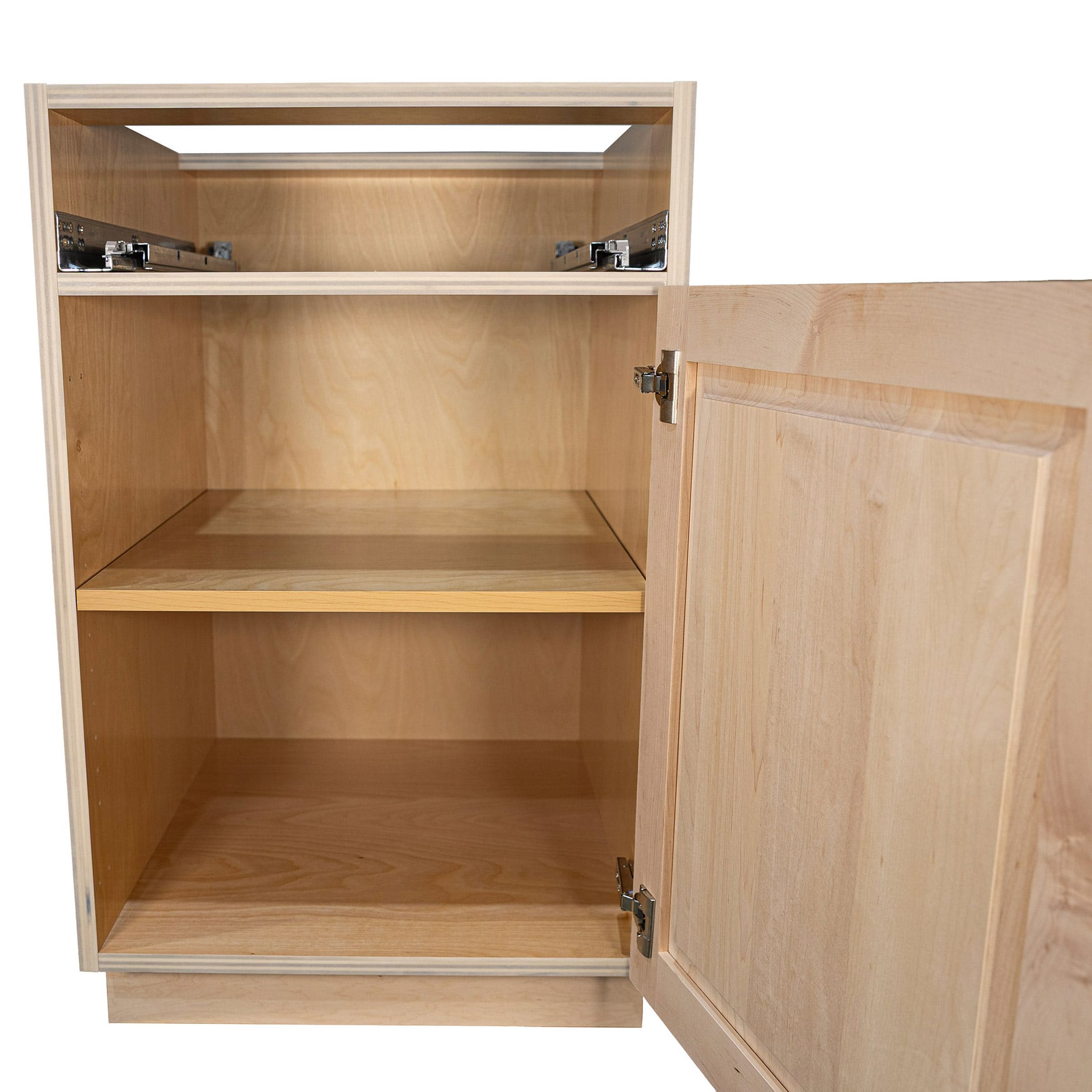
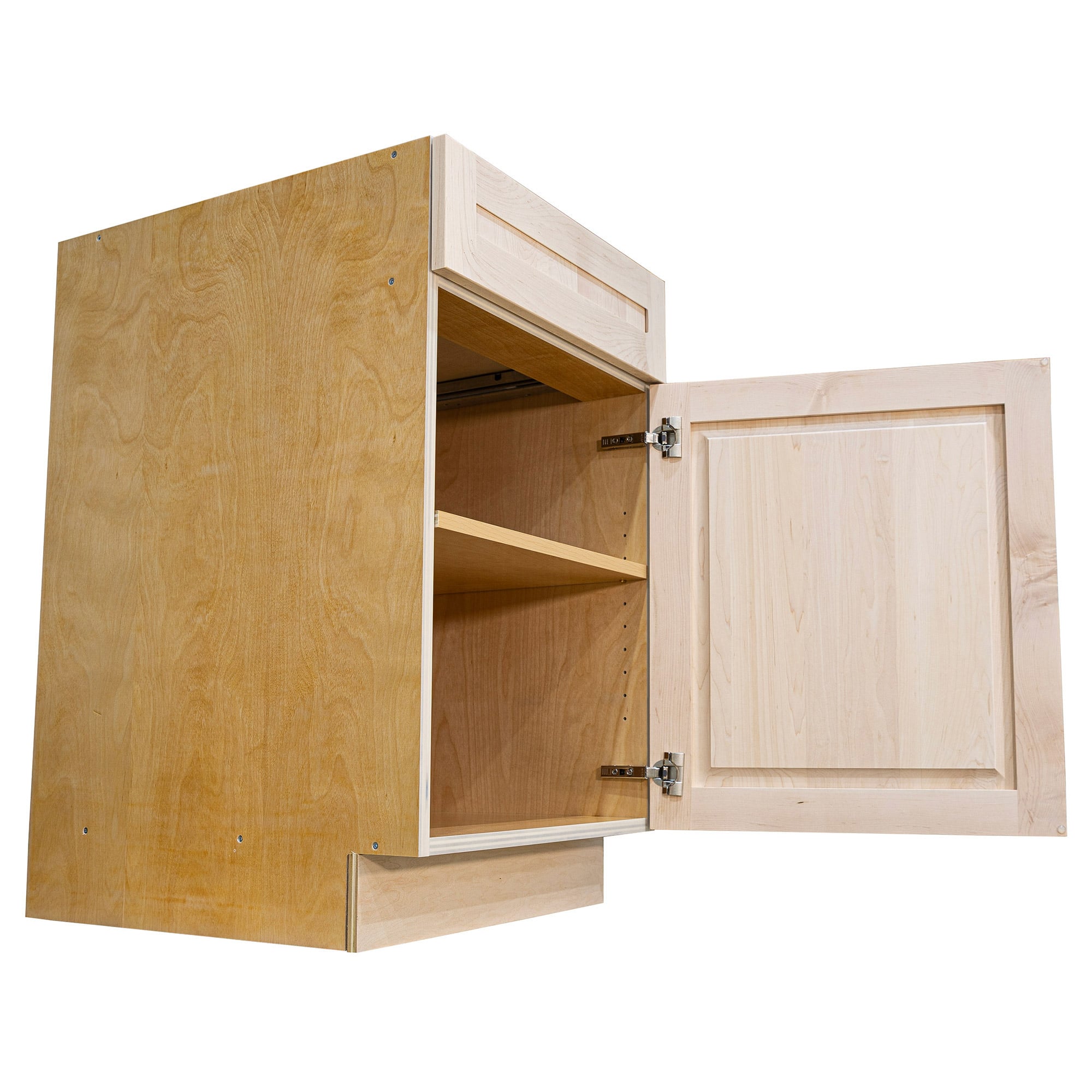
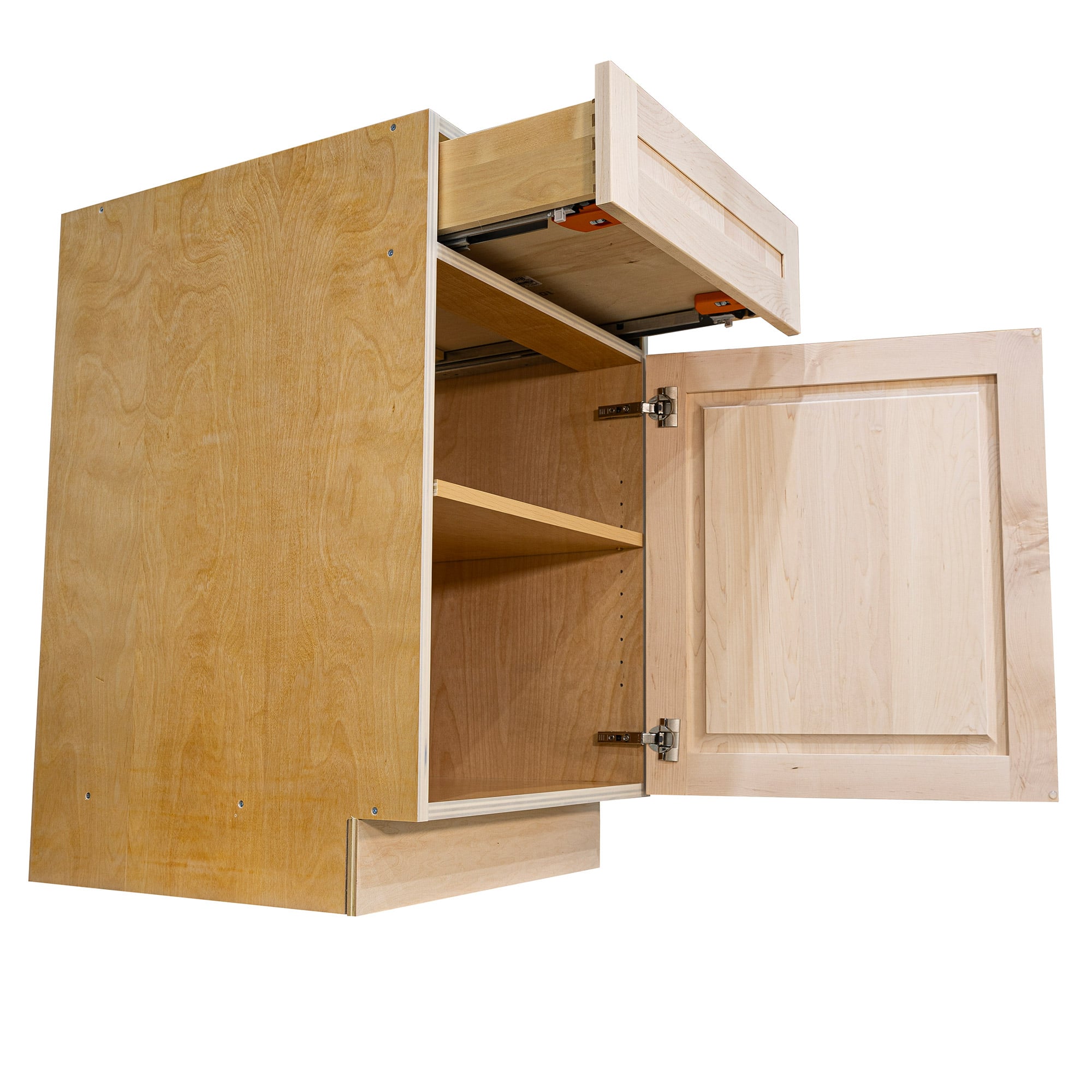
The difference starts with the cabinet box. Framed cabinets have a solid wood face frame attached to the front of the cabinet box. Frameless—or full-access—cabinets eliminate that frame. Instead, the doors cover the front of the cabinet box and the hinges attach directly to the cabinet sides. Without horizontal rails or vertical stiles surrounding the opening, frameless construction creates wider, unobstructed access to the cabinet interior.
Face Frame Cabinets
Face-frame construction
A solid wood face frame is attached to the front of the cabinet box. Doors and drawers attach to or sit within that frame.
Consider framed if you want:
Frameless Cabinets
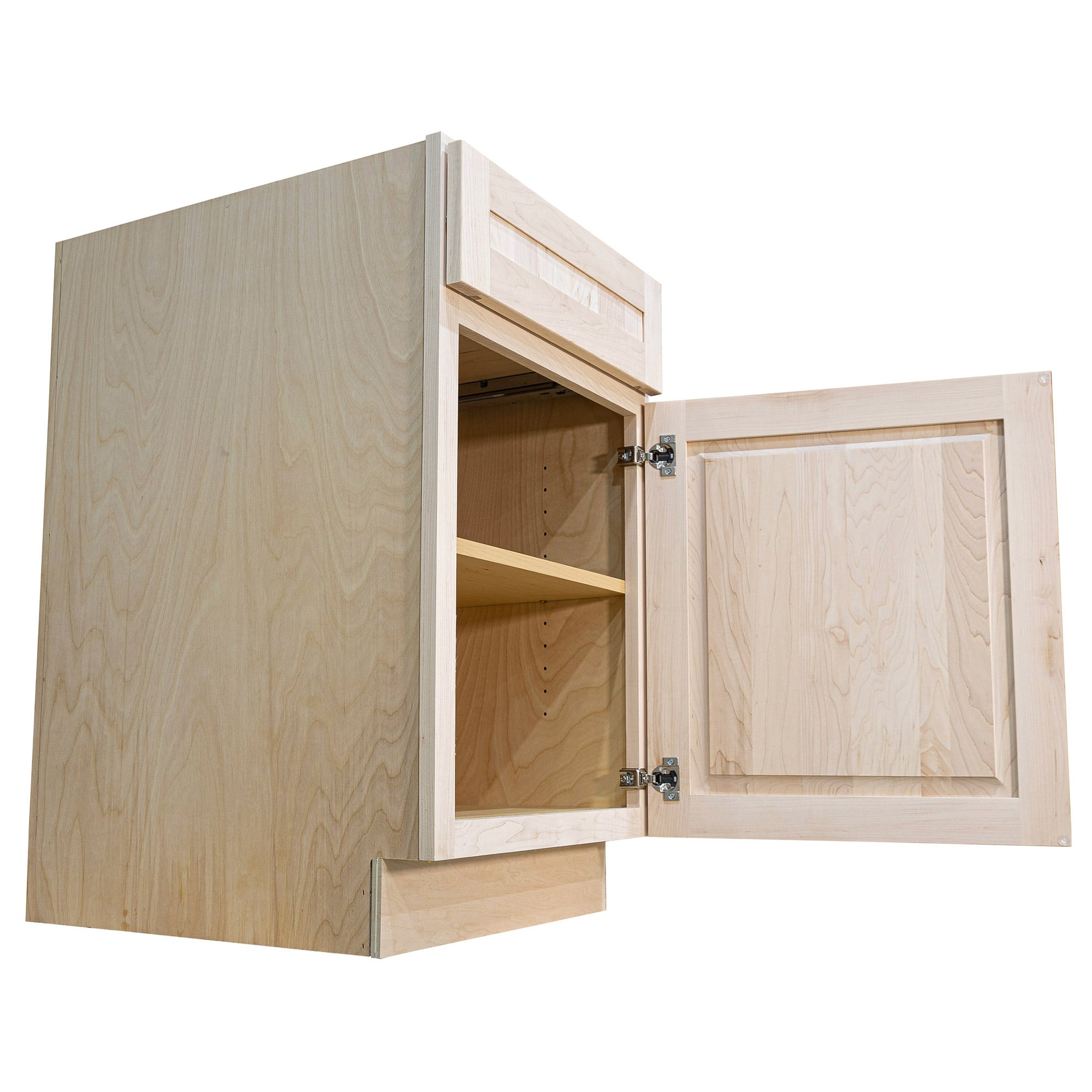
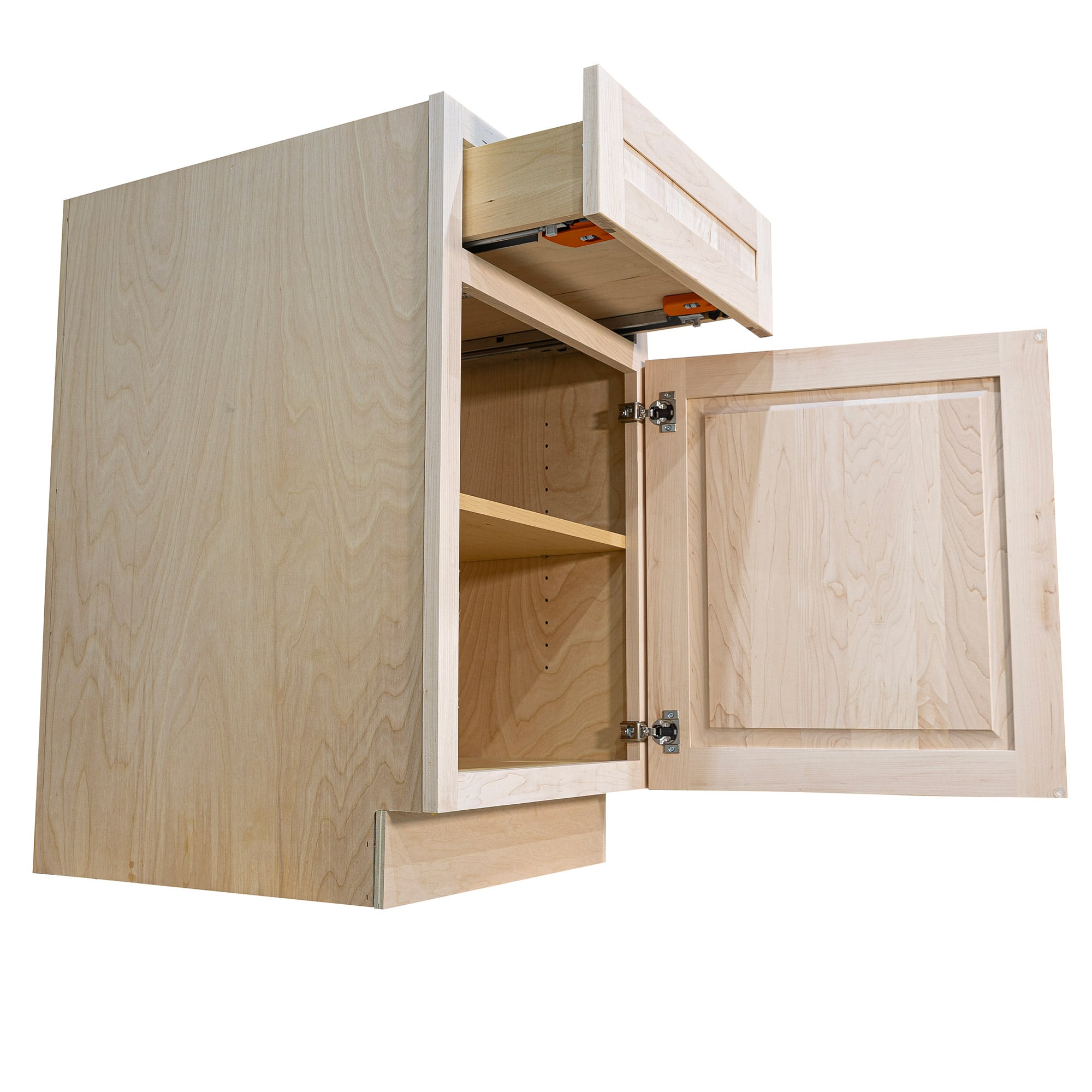
Full-access construction
The face frame is eliminated, allowing doors and hinges to attach directly to the cabinet sides.
Consider framed if you want:
Frameless is a construction method — not a design style.
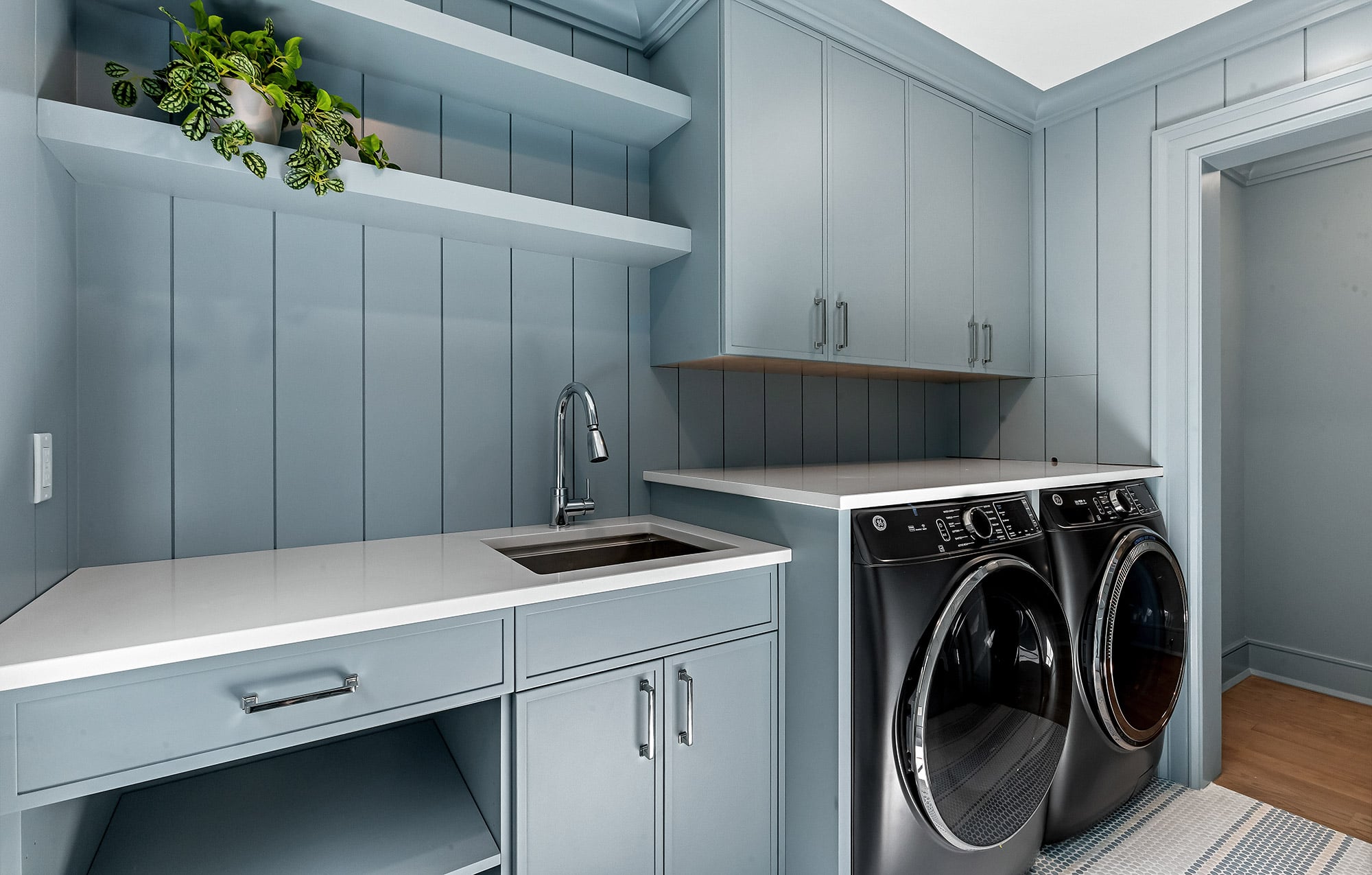
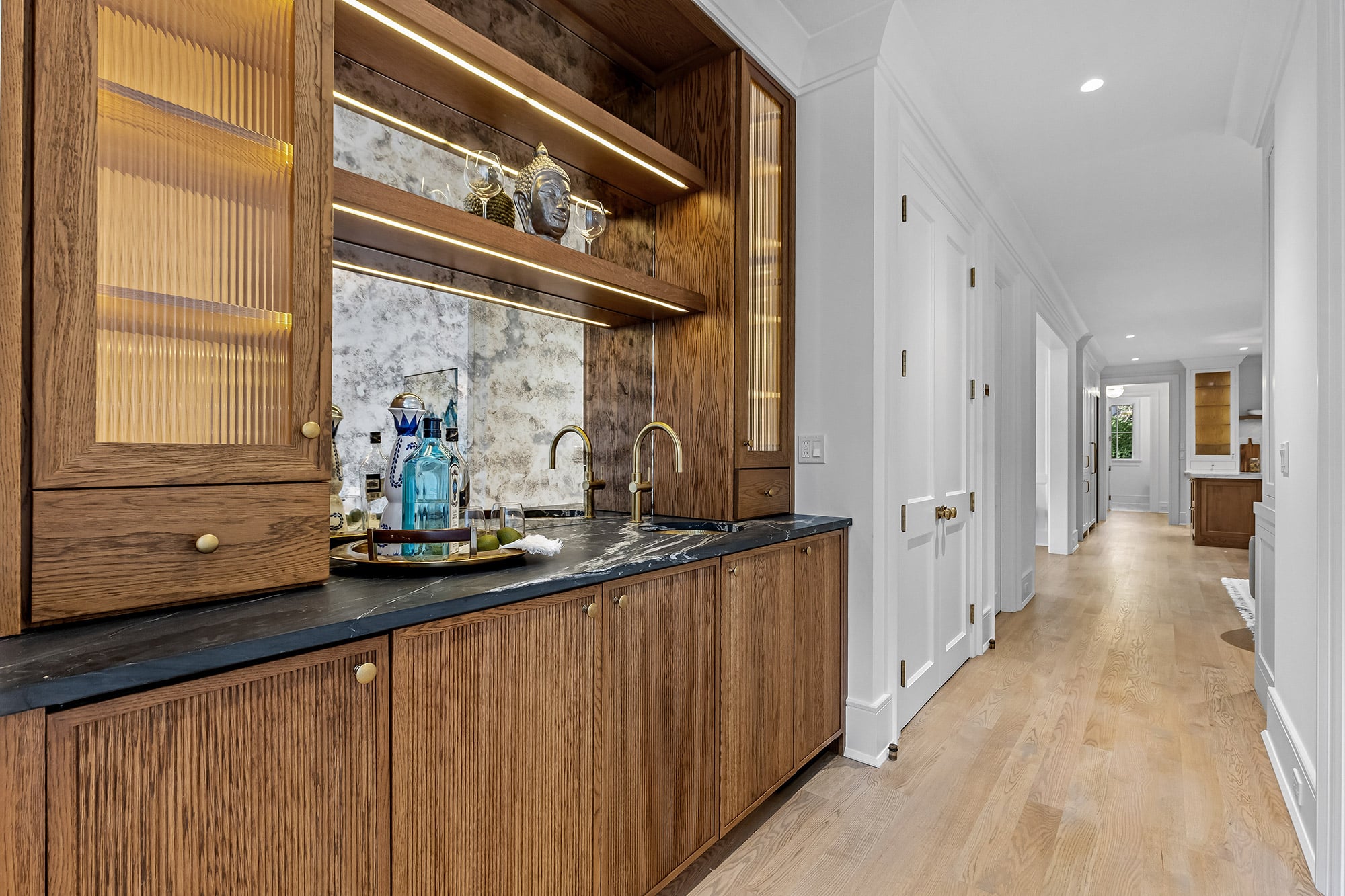
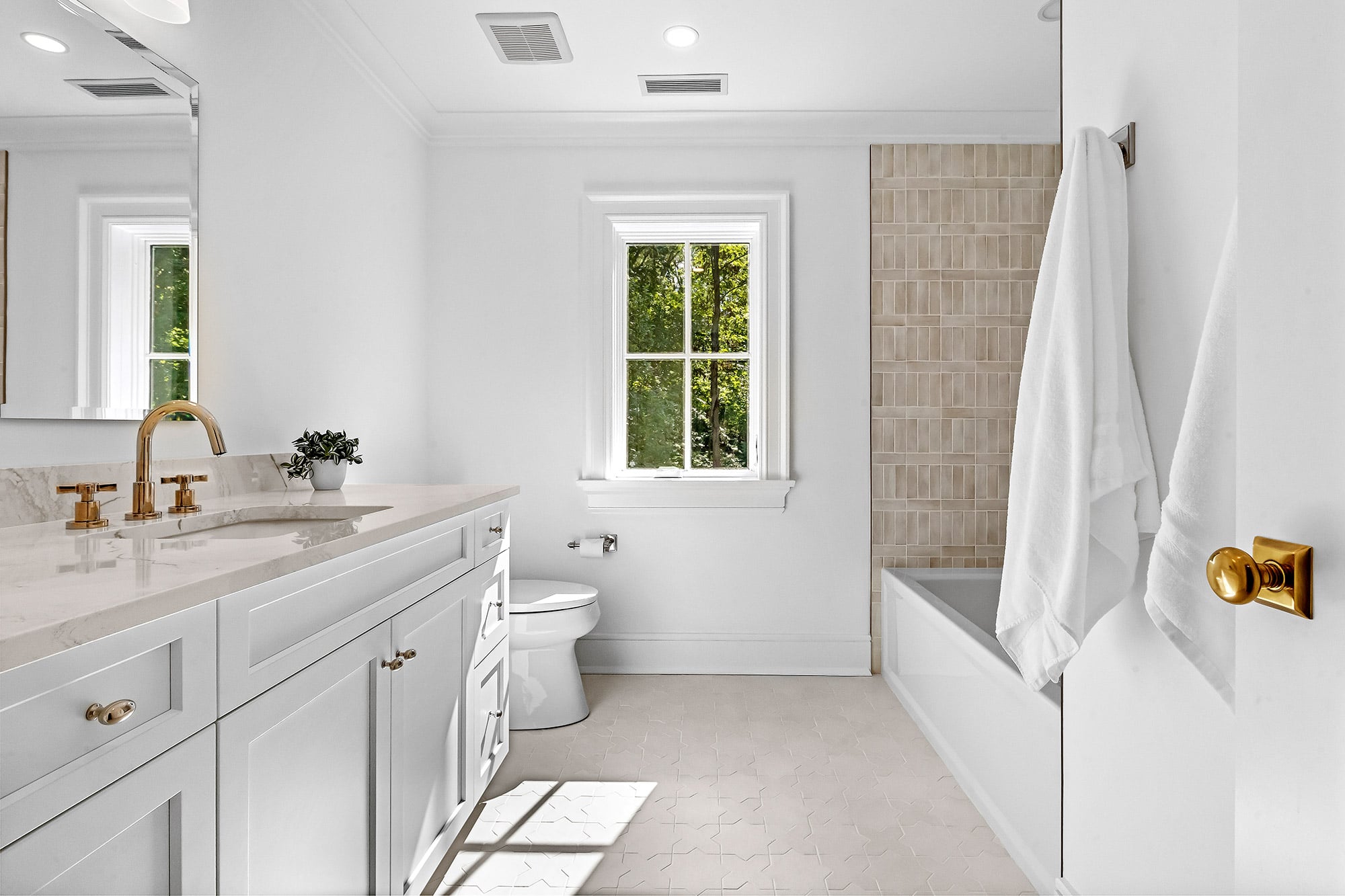
Frameless cabinets can complement modern, traditional, and everything in between. While construction influences certain details, it doesn’t define your overall aesthetic.
The Right Cabinets. The Right Guidance.
Every project is unique. Your dedicated Cabinet Coach will help you explore framed and frameless options and find the right fit for your space, style, and goals.
Quality From the Inside Out
Different construction. The same commitment to quality.
Materials, joinery, hardware, drawer construction and finish all contribute to how your cabinets look, feel and perform over time. That’s why we pay attention to what’s behind the doors, too.
Choosing frameless changes the cabinet construction—not the quality standards behind it. Our frameless cabinets feature 3/4″ plywood cabinet boxes with birch interiors, bringing the same premium material standard to both our framed and frameless cabinetry.

What Makes a Cabinet Frameless?
The difference starts with the cabinet box. Framed cabinets have a solid wood face frame attached to the front of the cabinet box. Frameless—or full-access—cabinets eliminate that frame. Instead, the doors cover the front of the cabinet box and the hinges attach directly to the cabinet sides. Without horizontal rails or vertical stiles surrounding the opening, frameless construction creates wider, unobstructed access to the cabinet interior.
Woods & Finish Options
The perfect finish brings your vision to life. From the natural warmth and character of real wood to an extensive palette of painted finishes, explore the colors, textures, and details that make your cabinetry uniquely yours.
Explore Woods & Finishes

Antique White

Bay Leaf

White Oak – Nutmeg

Cherry – Colonial
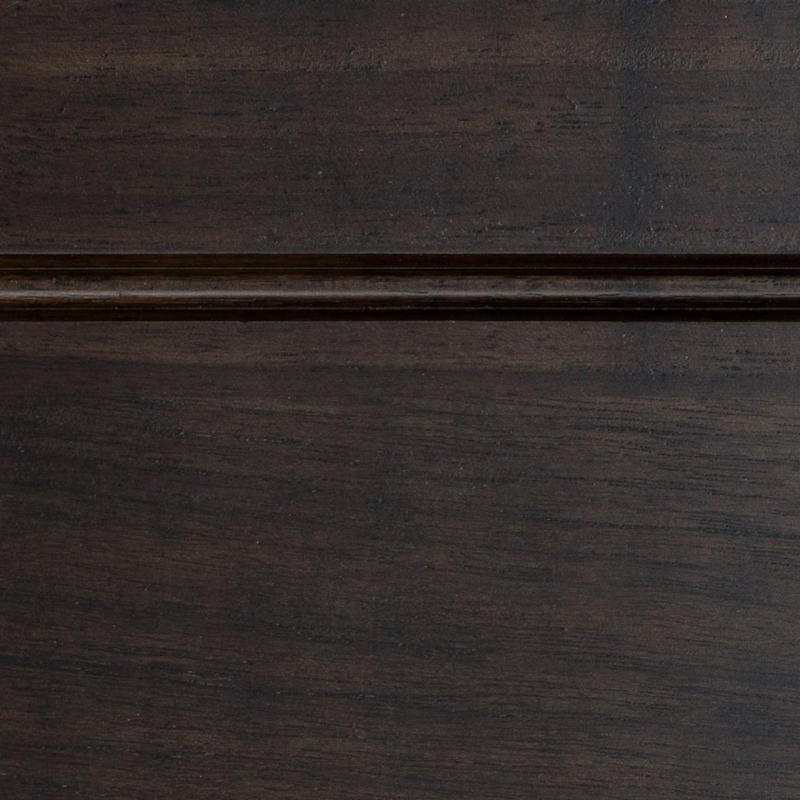
Walnut – Pine Cone

Steel Blue
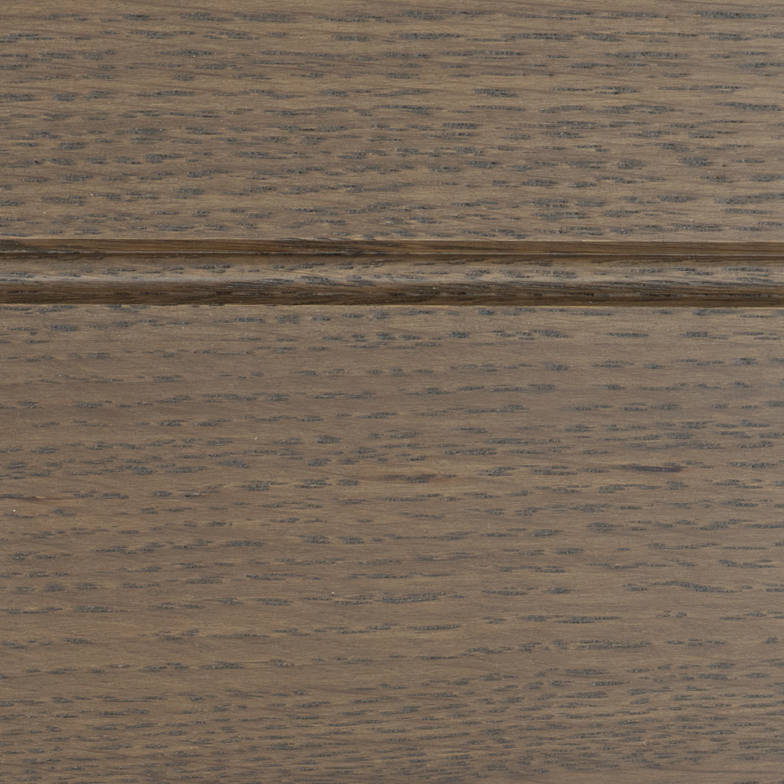
White Oak – Portabella
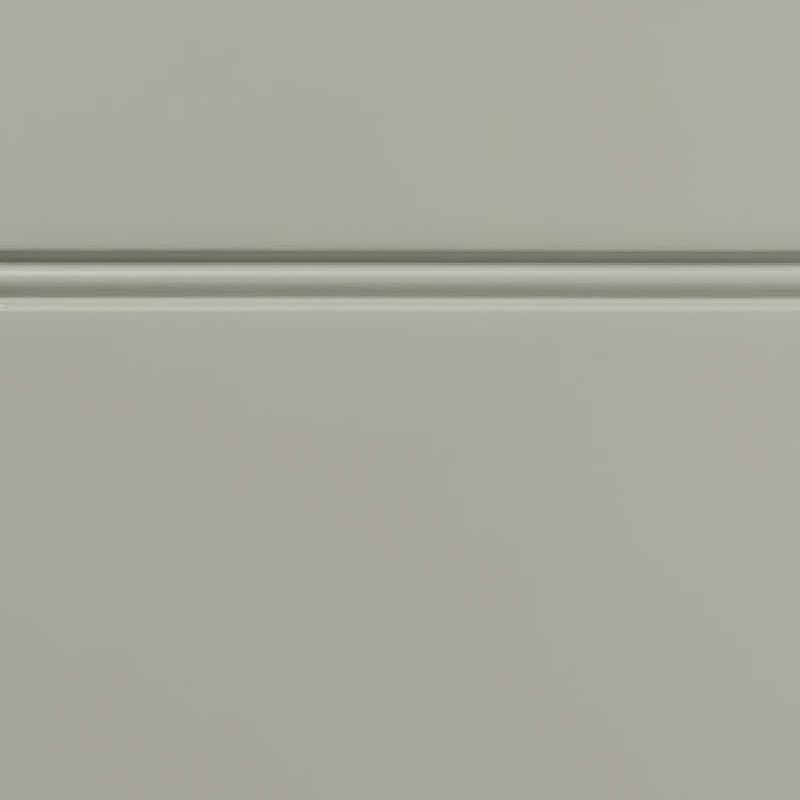
Fossil
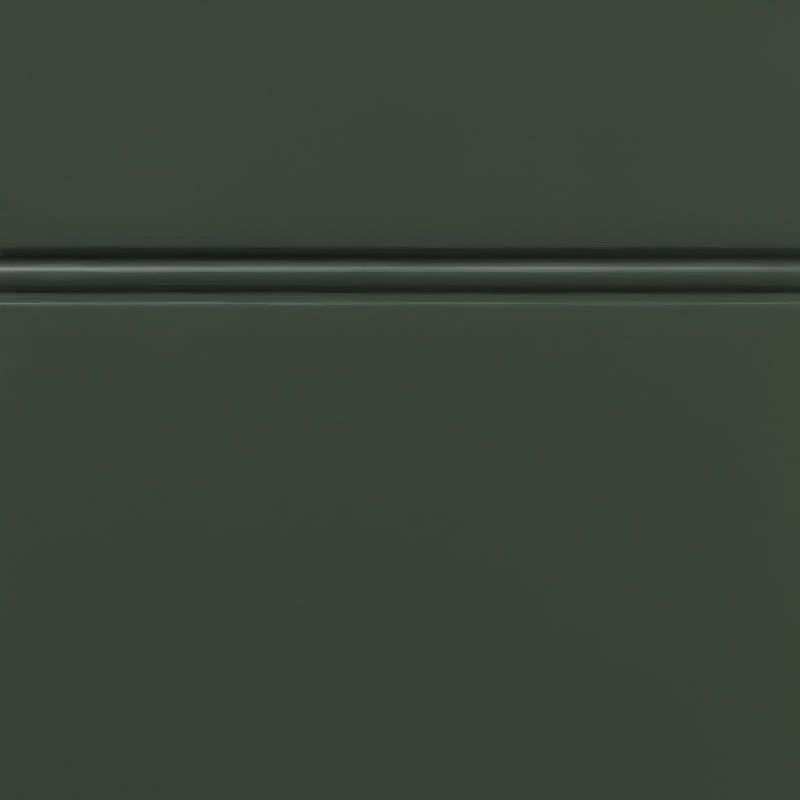
Holly
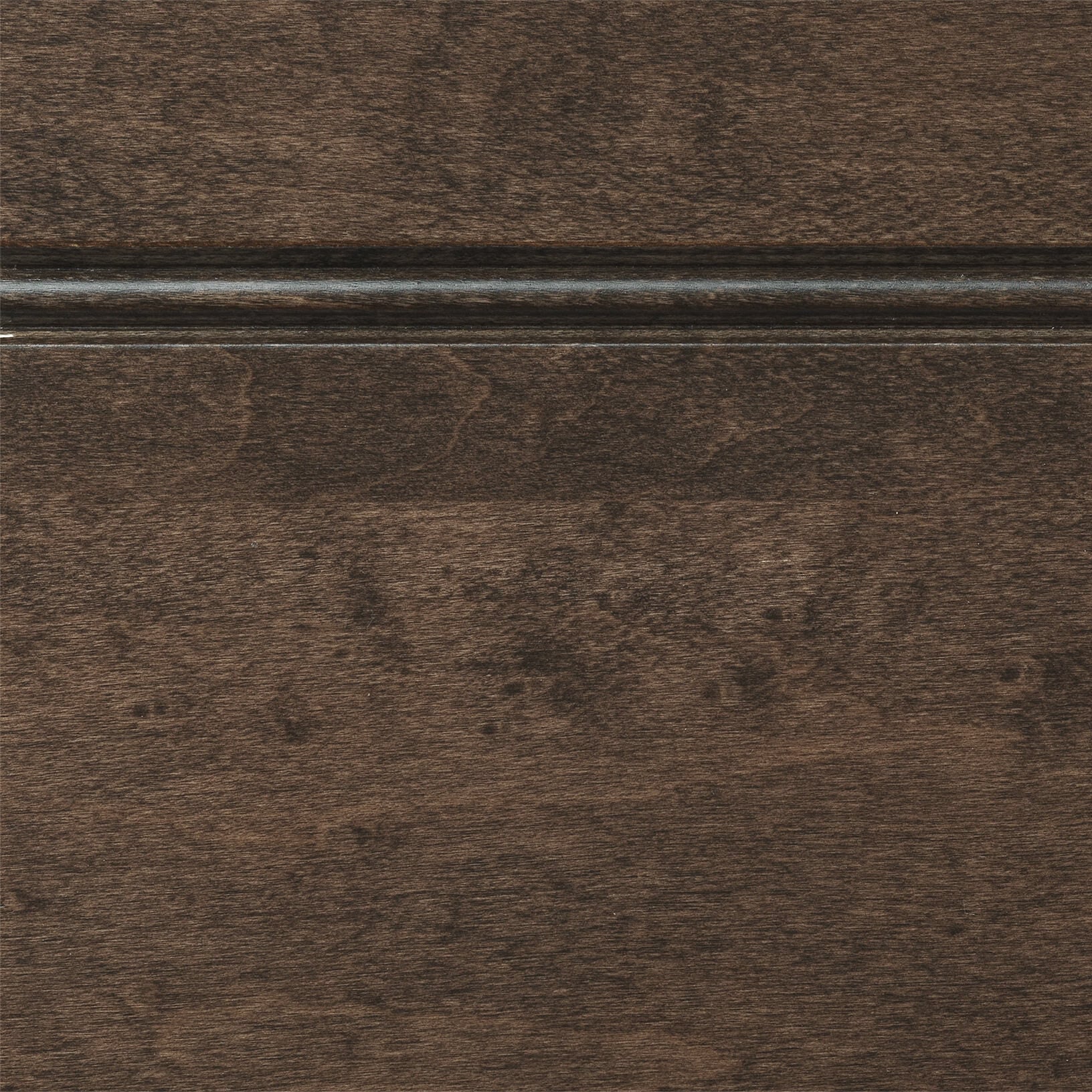
Hard Maple – Allspice
How it Works
Ordering cabinetry involves a lot of details. Your dedicated Cabinet Coach is here to help you navigate them from your first quote through your final order.
REQUEST A QUOTE
Tell us about your project, upload your plans and share what you’re looking for. Get Started »
MEET YOUR CABINET COACH
You’ll have one point of contact to answer questions and help guide your project.
DESIGN & REFINE
Work through your layout, cabinet selections, finishes and project details.
REVIEW & ORDER
Finalize the details before your built-to-order cabinets go into production.
GET PROJECT-READY
Receive your cabinets RTA or take advantage of professional assembly where available.
Frameless Cabinet FAQs
Frameless cabinets—also called full-access cabinets—are built without the solid wood face frame found on traditional framed cabinetry. Doors and hinges attach directly to the cabinet sides, leaving the cabinet opening unobstructed.
Framed cabinets have a solid wood face frame attached to the front of the cabinet box. Frameless cabinets eliminate the face frame, allowing doors and hinges to attach directly to the cabinet sides. This creates wider openings, different door configurations and a more streamlined cabinet structure.
Yes. “Frameless” and “full-access” describe the same basic cabinet construction: a cabinet box built without a face frame surrounding the opening.
No. Frameless describes how a cabinet is constructed, not the design style of the finished space. Frameless cabinetry can work with traditional, transitional and contemporary designs and with a wide range of door styles and finishes.
Frameless cabinetry is sometimes called European-style cabinetry because the construction method originated and became widely used in Europe. Today, frameless construction is used across a much broader range of cabinet styles, materials and finishes—including traditional and transitional designs.
Frameless construction can provide more usable interior space than a comparable framed cabinet. Eliminating the face frame allows for wider cabinet openings and larger drawer boxes, and our frameless cabinet construction also provides additional cabinet depth.
No. Inset cabinetry requires a face frame for the doors and drawer fronts to sit within, so inset is available with framed cabinet construction. Frameless cabinetry uses full-overlay doors and drawer fronts.
Many of our door styles, wood species and finishes are available with both framed and frameless construction, giving you flexibility to choose your preferred construction without sacrificing your design vision.
Yes. Cabinet Joint’s frameless cabinetry is available ready-to-assemble for nationwide shipping.
Professional cabinet assembly is available for qualifying projects in select areas. Cabinet Joint does not provide cabinet installation.
Let’s Bring Your Vision to Life.
Beautiful cabinetry starts with a great plan. Tell us about your project, and we’ll help you take the next step toward cabinets crafted just for you.